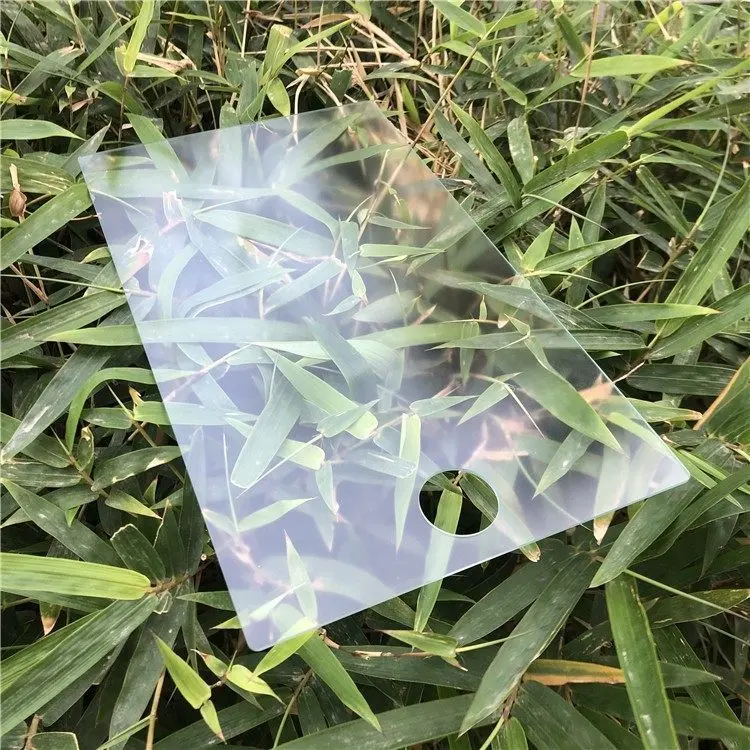
Cover glass is really becoming a big deal in today’s tech world. You know, it’s pretty much the first line of defense for stuff like smartphones and tablets. As gadgets get smarter and sleeker, having something that’s both tough and good-looking is a total must. The right cover glass doesn’t just prevent scratches — it also makes your device look sharper and more polished.
That said, not all cover glass is created equal. The quality can really vary from one brand to another. Some companies try to cut corners to save costs, which often results in stuff that’s pretty fragile and prone to breaking. And honestly, nobody wants a phone that’s all cracked after just a little bump. We usually pick products based on how they look and feel, but if they don’t hold up over time, that’s when the frustration kicks in.
As tech keeps advancing, people are gonna want better, more durable cover glass — no questions asked. Companies really need to focus on pushing the boundaries when it comes to material science. Striking that sweet spot between being strong and staying crystal clear is super important. The choices made now will totally shape what our gadgets will look and feel like in the future. Bottom line? Users deserve devices that not only look awesome but also last and feel solid in their hands.
Importance of Cover Glass in Protecting Electronic Devices
Cover glass plays a vital role in modern electronics. It acts as a shield, protecting delicate components from dust, moisture, and impact. Without it, devices risk damage and reduced lifespan. Many people overlook its importance. They may think it's just an aesthetic choice, but it serves a practical purpose.
When choosing cover glass, consider its strength and clarity. Not all glasses are created equal. Some might scratch easily or shatter upon impact. Stronger glass, such as Gorilla Glass, provides better protection. However, it's important to balance this with weight and cost. Sometimes, compromises are necessary.
Tips: Always check for certifications that ensure quality. A good cover glass should meet industry standards. Regularly inspect your device for cracks or chips. If you notice any, replace it soon to avoid further damage. Remember, prevention is better than cure. Your devices deserve the best protection.
Materials Used in Cover Glass for Modern Electronics
Cover glass plays a vital role in modern electronics. It serves as the first line of defense for screens and devices. Often transparent, it ensures clear visibility while protecting delicate components beneath. Various materials are used to create this essential layer.
Sapphire glass is one option. It is highly scratch-resistant and durable. However, it can be quite expensive to produce. Another common material is Gorilla Glass. This chemical-strengthened glass balances durability and cost-effectiveness. While it provides good protection, it may not be as strong as sapphire. Finally, plastic films are also utilized for lightweight applications. Though affordable, they often lack durability.
Choosing the right material is crucial. It depends on the device's intended use. Heavier duty devices may benefit from tougher glass, while lighter uses can employ plastics. Not every option is perfect for every situation. Continuous research is needed to innovate better solutions. The demands of the industry are ever-increasing, so finding suitable materials remains a challenge.
The Role of Cover Glass in Display Technologies
Cover glass plays a crucial role in modern display technologies. It acts as the first line of defense for screens. Many devices, like smartphones and tablets, rely on its durability. Data shows that the global cover glass market is expected to reach $8.5 billion by 2025. This growth is driven by the increasing demand for high-quality, scratch-resistant materials.
Moreover, cover glass significantly impacts the visual performance of displays. A thin layer can enhance brightness and color accuracy. Research indicates that up to 80% of consumers prioritize display quality when choosing devices. However, not all cover glass is created equal. Some types can affect touch sensitivity or reflectivity. It’s essential to find the right balance between protection and usability.
Innovations in materials are ongoing, yet challenges remain. Manufacturers often face the dilemma of cost versus quality. Cheaper options can compromise performance. Some users report issues with durability. This inconsistency calls for a deeper examination of materials used. Continuous improvement is essential to meet evolving consumer expectations. The interplay between durability, aesthetics, and functionality must be carefully considered.
Why is Cover Glass Essential for Modern Electronics? - The Role of Cover Glass in Display Technologies
| Dimension |
Description |
Impact |
| Material Type |
Common materials include Gorilla Glass, sapphire, and plastic. |
Durability and scratch resistance greatly influence device lifespan. |
| Thickness |
Typically ranges from 0.4mm to 1mm. |
Affects weight and flexibility of devices, impacting design choices. |
| Optical Properties |
Includes light transmission rates and anti-reflective coatings. |
Enhances visibility and user experience in various lighting conditions. |
| Manufacturing Process |
Includes molding, tempered processes, and chemical treatments. |
Affects the cost, quality, and properties of the cover glass produced. |
| Market Trends |
Growing demand for larger, thinner displays with enhanced features. |
Prompts innovation in materials and design approaches. |
Impact of Cover Glass on Device Durability and Longevity
Cover glass plays a vital role in modern electronics by enhancing device durability and longevity. The glass effectively protects screens from scratches and impacts. According to a survey by industry experts, around 60% of smartphone damage occurs due to accidental drops and screen cracks. A durable cover glass can significantly reduce these incidents, extending the life of electronic devices.
Moreover, cover glass can resist environmental factors like dust and moisture. A study revealed that devices with high-quality cover glass saw a 30% increase in lifespan under real-world conditions. However, not all cover glasses are created equal. Some may offer protection but lack clarity, leading to poorer user experiences. Manufacturers must balance durability with optical performance.
In the quest for innovation, the challenge remains to improve both strength and clarity. The industry must consider not just the protective capabilities, but how they impact everyday use. Continuous research indicates that advancements in materials can provide solutions. This can lead to cover glass that is both tougher and clearer. Addressing these complexities is essential for the next generation of electronic devices.
Impact of Cover Glass on Device Durability and Longevity
This bar chart highlights the impact of different cover glass materials on the durability and longevity of modern electronic devices. The data reflects the average resistance to scratches, drops, and environmental factors of various types of cover glass used in devices.
Advancements in Cover Glass Manufacturing Techniques
Cover glass plays a critical role in modern electronics. Its ability to provide protection while maintaining clarity is invaluable. Recent advancements in manufacturing techniques have transformed how cover glass is produced, making it more effective than ever. These innovations include improved coatings and enhanced durability through better materials.
The introduction of specialized thermal processes has led to stronger glass options. This can significantly reduce the risk of cracks and scratches. Manufacturers now face the challenge of balancing toughness and weight. Lightweight materials are essential for mobile devices. Yet, they must also provide enough protection against daily wear and tear.
In some cases, the rush for better performance can lead to compromises. For example, increased thickness may improve durability but hinder screen responsiveness. Companies must reflect on these choices. Balancing quality, weight, and cost is no easy task. The evolution of cover glass is ongoing, with much more to explore in the future.
Environmental Considerations of Cover Glass in Electronics
Cover glass plays a crucial role in modern electronics. It protects delicate screens from scratches and impacts. Moreover, it enhances device longevity. However, the environmental impact of this material raises important questions. The production of cover glass involves significant energy and resource consumption. This aspect cannot be overlooked.
The glass manufacturing process releases greenhouse gases. This creates a lasting footprint on our environment. Recycling is one potential solution, but it is not yet widely practiced. Many consumers remain unaware of recycling options for electronics waste. This leads to increased landfill waste.
In addition, not all cover glass is created equal. Some types use hazardous materials in their production. These materials can be harmful to both workers and the environment. Additionally, the durability of cover glass varies, impacting its life cycle. More durable options could reduce the need for frequent replacements. Balancing functionality and sustainability is essential for future advancements in electronics.
Future Trends in Cover Glass Applications in the Tech Industry
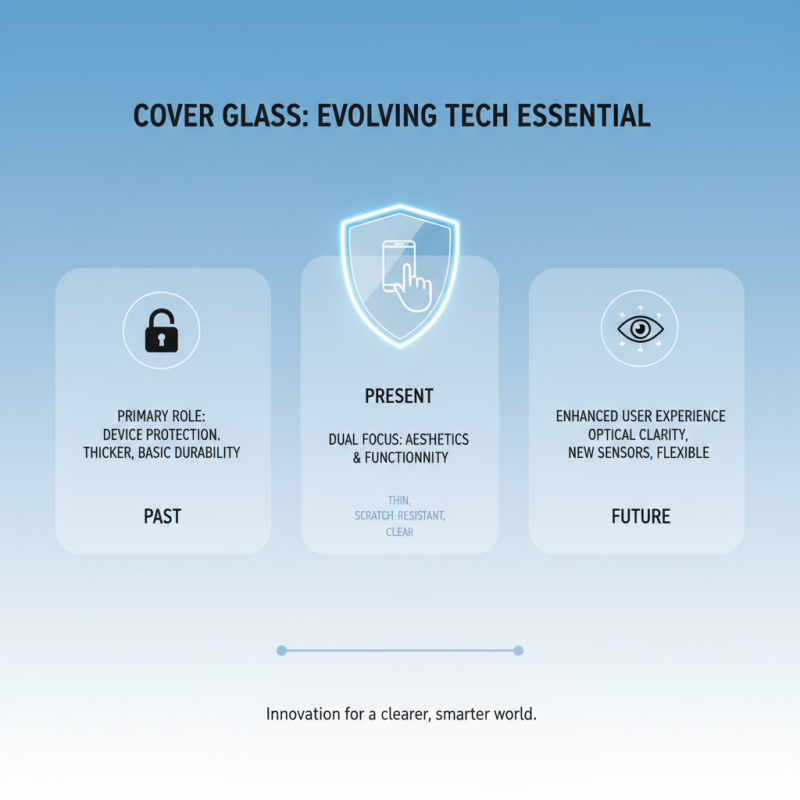
Cover glass is becoming increasingly important in the tech industry. Its role in device protection has evolved. The trend now focuses on enhancing aesthetics and functionality. Thin yet durable glass is sought after. It must resist scratches and provide clarity. Consumers demand better visual experiences. Cover glass plays a key role in meeting those needs.
Looking ahead, new applications are emerging. Flexible cover glass is a hot topic. This innovation allows for curved displays and wearable devices. It promises a future where screens adapt to various shapes. Other trends include anti-fingerprint coatings. They help maintain the clean look of devices. However, challenges remain in production and cost-efficiency.
Developments in smart glass technologies are also notable. Glass that can adjust transparency will change how we interact with devices. This adds complexity to design processes. Companies must balance aesthetics, functionality, and cost. The future of cover glass is bright, but hurdles need addressing. Conversations on sustainability are necessary. How can we ensure eco-friendly practices? That remains an open question.
The Ultimate Guide to Choosing the Right Tempered Glass for Your Touchscreen Devices
When it comes to selecting the right tempered glass for your touchscreen devices, quality and functionality are paramount. Crafted from premium high-aluminum silicate glass, the ideal option balances impressive strength with optical clarity. This glass is not just about its durability; it undergoes a rigorous chemical tempering process that significantly boosts its impact and scratch resistance—key factors for device protection.
In addition to its robust composition, the anti-glare property of this glass is achieved through a precise acid-etching technique. This surface treatment diffuses light effectively, which reduces reflections while maintaining the sharpness of the displayed images. For those who prioritize cleanliness and usability, an optional anti-fingerprint (AF) coating can be applied. This coating helps keep the screen looking pristine, making interactions smoother and enhancing overall user experience. By considering these features, you can make an informed choice that ensures your touchscreen devices remain protected and user-friendly.
FAQS
: Try restarting it. Hold the power button until it turns off. Wait a moment, then turn it back on.
Reduce screen brightness and close unused apps. Consider disabling location services.
Too many apps may be running in the background. Clear cache and uninstall apps you don't use.
It can pose risks. Always check reviews and ensure the source is reliable. Use caution.
Use the password recovery option. Follow the prompts to reset it via email or phone verification.
Yes, many devices allow for external storage. Consider using an SD card if your device supports it.
Conclusion
Cover glass plays a vital role in the modern electronics landscape, serving as a protective shield for devices against physical damage and environmental factors. By utilizing robust materials, cover glass enhances the durability and longevity of displays, ensuring that devices remain functional over time. Its significance extends into display technologies, where it contributes to improved clarity and user experience.
Advancements in manufacturing techniques have further optimized the quality and performance of cover glass, highlighting its importance in the tech industry. Moreover, environmental considerations are becoming increasingly relevant, prompting innovations in sustainable materials and production practices. As future trends evolve, cover glass will continue to be essential, underpinning enhancements in electronic device design and functionality.